How does a two-founder studio ship AI products? Goddo and GoTasty.
Two founders, two lanes and AI agents doing much of the building and testing. That is how GOGOGO LLC ships Goddo on iOS and GoTasty, its game in testing.
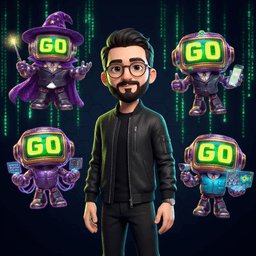
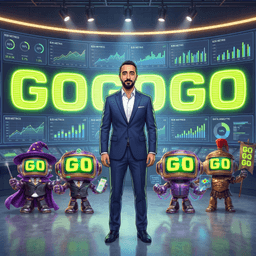
Co-founders, GOGOGO LLC
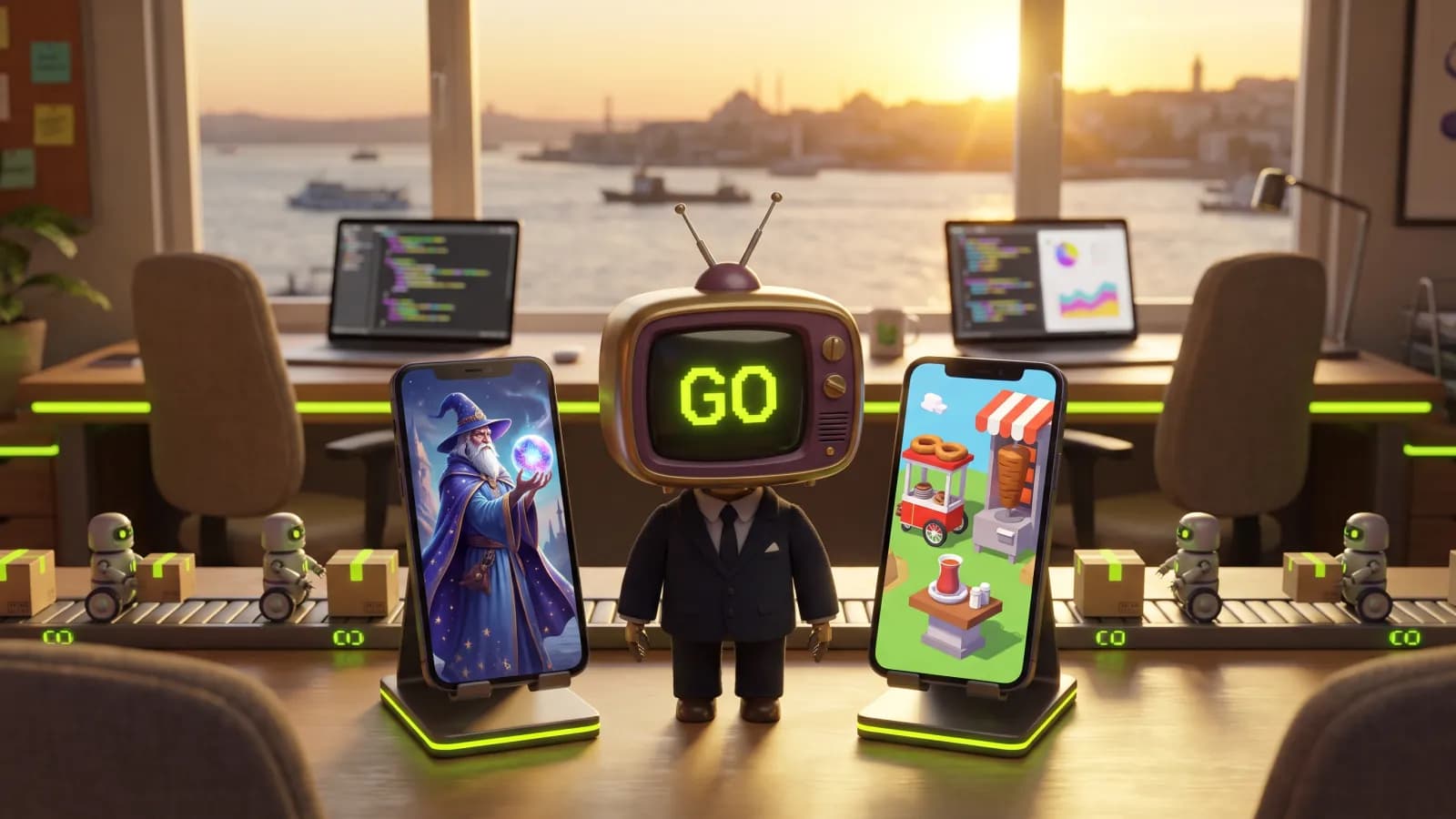
GOGOGO LLC is a Delaware software company founded in 2023 by two brothers, Atakan Özalan and Okan Özalan. We have two products: Goddo, an AI image and video app on the App Store, and GoTasty, a 3D street food game for Android and iOS that is in testing. There is no large team behind them. What makes it work is a strict split of responsibilities, AI agents that do a large share of the building and checking, and a few rules we do not bend.
Who does what in a two-person company?
We are equal partners with different lanes, agreed on the first day and still held. Atakan is Co-founder & CTO: architecture, code, infrastructure and the agent systems. Okan runs product, operations and B2B: what we build next, pricing, store listings, testers and partners. Every decision has one owner, known before the discussion starts. Our team page and the brother model say more about why we set it up this way.
Two people cannot do everything themselves, so the useful question is never "who has time?" but "which parts can software we trust do, and how do we check it?"
What is Goddo, and how is it built?
Goddo turns a prompt into images and short videos, with tools to enhance, upscale, animate, extend and reimagine the result. It is a native iOS app published on the App Store by GOGOGO LLC, free to start on a credit system, with Android announced as coming soon. Under the hood it is a pipeline, not one model call: a prompt rewrite, a style guide, the render, a refine step and a watermark, each its own agent, so one failing stage does not take down the whole render. We described that pipeline in how Goddo turns one prompt into a five-agent pipeline.
Goddo was designed and coded with AI, and that set the pattern for everything after it: we build the system that does the work, then spend our own time on the parts a person has to judge.
How do AI agents help build GoTasty?
GoTasty is a Unity 6 idle game: you start with one simit oven in Istanbul, hire a crew and open stalls in cities around the world. As of 8 November 2026 it has 167 playable locations in 33 countries. Most of its code and city data were written by AI coding agents working in the repository, with Atakan reviewing and merging. Three rules keep that safe:
- CI is the compiler. Every change is a commit that a build machine compiles. Nobody's open editor is the source of truth.
- Everything is code or data. Scenes are generated by a script, game numbers live in one config file, and cities are JSON files checked by a validator before they reach a build.
- Agents play every build. On the Android emulator, one agent plays the release like a new player and another runs a bot that logs pacing every 15 seconds.
Atakan wrote the full engineering story on his own site: how we ship a 3D Unity mobile game with AI coding agents.
How do you give AI agents room without losing control?
By scoping what they may do, the same way you would for a new colleague. Our coding agents have standing permission to commit and push on working branches. They ask first before anything irreversible, anything that spends money and anything that touches credentials, and some console settings are reserved for a person outright. Merges into the integration branch are reviewed. On the emulator, QA agents address one device at a time and never run broad commands that could hit another.
The other half is memory. Each repository has one shared file that every agent session reads first: the technical rules, the release history and what broke last time. When an agent learns something the hard way, it writes it down there, so the next session starts from yesterday instead of from zero.
How do you measure a product before it launches?
If it is not on a dashboard, it is not a metric. Before GoTasty's first public release we built an internal dashboard on top of its analytics: players, sessions, ad events, a stability section built from crash reports, and progress through the game. Testers' devices are flagged, so our own play does not count as real use. The same rule applies to Goddo: decisions start from what the numbers show, not from what we hoped they would show.
What do we deliberately not do?
We do not publish usage numbers we cannot back up, and we do not describe products that are still in testing as if they were live. Goddo is on the App Store today. GoTasty is in closed testing on Google Play and TestFlight. We also keep company boundaries clear: GoVista, GoPeople and GoTrack are made by GOTONOM, an independent sister company in Istanbul. GOGOGO LLC and GOTONOM Yazılım Teknolojileri A.Ş. are independent sister companies; neither is the parent or subsidiary of the other.
What would we tell another small studio?
- Split the company into lanes, with one owner per decision.
- Make a build machine, not a laptop, the place where software becomes real.
- Turn scenes, settings and content into code or data that an agent can edit and a person can review.
- Give agents scoped permissions: free on working branches, ask first before anything irreversible, paid or sensitive.
- Put the metrics on a dashboard before launch, and keep test devices out of them.
To follow along, the GoTasty page has the cities and the trailer, the GoTasty dev log explains how the game was designed around Turkish street food, and the about page has the company facts.
Sources
- About GOGOGO LLC: AI agent systems company in Delaware · GOGOGO LLC
- Goddo - AI Art Generator App · Apple App Store
- GOGOGO LLC (developer) · Apple App Store
- GoTasty: Street food game around the world · GOGOGO LLC
- Unity 6 · Unity Technologies
- Android Debug Bridge (adb) · Android Developers
- Set up an open, closed, or internal test · Play Console Help
- TestFlight · Apple Developer


